
Why Bollywood Has So Many Toxic Mothers & Fathers – A Character Study
Bollywood has always leaned heavily on family emotions. Yet, beneath the warmth of family songs and reunion scenes lies a recurring pattern — parents who emotionally control, threaten, manipulate, or harm their own children. From authoritarian fathers to emotionally blackmailing mothers, toxic parenting has become one of Hindi cinema’s most repeated character types.
This isn’t accidental. It reflects deeper social and cinematic reasons.
Featured Read: Cinema Buddies – The Dream Chasers
A Soulful Tribute to Friendship, Film, and Finding Home
Looking for an emotional, relatable, and inspiring English novel by an Indian author? Cinema Buddies: The Dream Chasers by Jubair A. is a heartfelt coming-of-age story about seven friends from different Indian states who arrive in Mumbai to chase their dreams in the world of cinema.
Set between Kerala and Mumbai, from college days to adulthood (2008–2025), this novel explores friendship, love, rejection, ambition, and the madness of movies.
🎬 Perfect for fans of Five Point Someone, 3 Mistakes of My Life, and Trust Me by Rajashree.
💫 A must-read for anyone who enjoys romantic coming-of-age novels, stories about best friends, or Bollywood-themed fiction
👉 Get your copy now : Click Here
Toxic Bollywood Fathers: Authority Without Accountability
Amitabh Bachchan in Kabhi Khushi Kabhie Gham
Yashvardhan Raichand represents emotional authoritarianism. His rigid belief in class and tradition leads him to disown his son. The character never physically abuses, yet his emotional control causes lifelong trauma.
This portrayal resonated because it mirrored many real households where obedience is valued over emotional understanding.
Amrish Puri in Dil and Dilwale Dulhania Le Jayenge
Amrish Puri often played fathers whose pride turned violent. In Dil, his character openly encourages hatred between families, turning love into bloodshed. In Dilwale Dulhania Le Jayenge, ego destroys relationships.
These fathers symbolize toxic masculinity, where dominance replaces empathy.

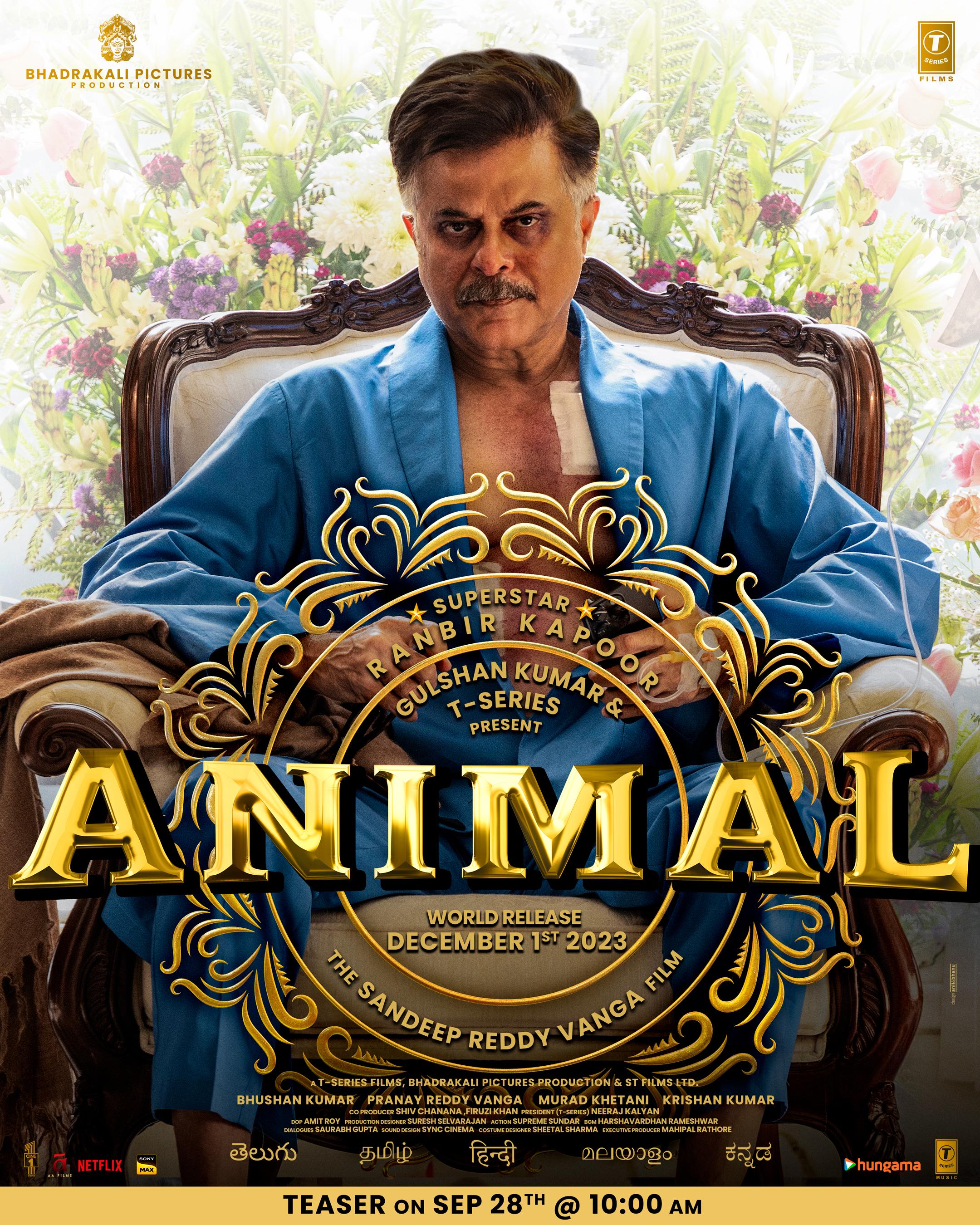
Anil Kapoor in Animal
In Animal, the father’s emotional absence and obsession with power deeply damage the son’s psyche. His neglect creates an emotionally broken protagonist.
This modern portrayal shows how emotional unavailability can be just as toxic as physical abuse.
Toxic Bollywood Mothers: Emotional Blackmail Disguised as Love
Farida Jalal in Dilwale Dulhania Le Jayenge
Often remembered as sweet, her character pressures Simran emotionally, normalizing sacrifice over choice. The toxicity is subtle but deeply rooted in “log kya kahenge” culture.
Reema Lagoo in Hum Aapke Hain Koun..!
Her character controls family decisions while masking authority as tradition. The mother’s role enforces silence and obedience, particularly on women.
Nargis in Mother India
Radha is revered, yet her character demands extreme sacrifice from her children. While iconic, she represents moral absolutism — where emotional needs are ignored in favor of ideals.
Why Bollywood Keeps Returning to Toxic Parents
1. Indian Family Hierarchy
Traditional households prioritize obedience. Cinema reflects this reality by portraying parents as unquestionable authorities.
2. Conflict Generation
A toxic parent instantly creates emotional conflict. It’s a storytelling shortcut that raises stakes without introducing external villains.
3. Cultural Conditioning
Audiences historically accepted parental control as love. Films reinforced what society normalized.
4. Catharsis for Viewers
Viewers who experience similar family pressure find validation when films expose parental cruelty.
The Dark Side of Parenthood in Bollywood Cinema
Are These Portrayals Changing?
Modern cinema has begun questioning parental toxicity. Films like Udaan, Kapoor & Sons, and Badhaai Ho show parents learning, failing, and evolving.
However, older archetypes still dominate mass cinema because they deliver emotional drama quickly and effectively.
The Line Between Discipline and Abuse
Bollywood often blurs this line. When control is framed as love, toxicity becomes invisible. Films that question this dynamic stand out because they challenge deeply rooted beliefs.
What These Characters Say About Society
Bollywood doesn’t invent toxic parents — it amplifies existing behaviors. These characters expose uncomfortable truths about generational trauma, emotional repression, and power dynamics within families.
Cinema becomes a mirror — sometimes distorted, sometimes honest.
Why Bollywood Repeatedly Shows Mothers and Fathers as Villains
Bollywood has repeatedly portrayed mothers and fathers as emotionally abusive, controlling, or outright cruel. Films like Kabhi Khushi Kabhie Gham, Dil, Ishq, and Animal show parents who manipulate, dominate, or traumatize their children. This article explores why toxic parental characters appear so frequently in Hindi cinema. By examining social conditioning, generational trauma, storytelling traditions, and audience psychology, it reveals how Bollywood mirrors real Indian family structures — sometimes exaggerating them for drama, sometimes exposing uncomfortable truths.
- Real Bollywood films featuring toxic parental figures
- Psychological and cultural reasons behind these portrayals
- Difference between protective and abusive parenting in cinema
- How audience acceptance shaped these characters over decades
You May like these Articles
- Bollywood Movies That Changed Their Endings After Test ScreeningsBollywood movies are not always set in stone once shooting wraps. Many filmmakers use test
- Bollywood Directors Whose Films Look Similar Because of Their Signature StyleCinema often reflects the artistic personality of its creator, and in Bollywood, several filmmakers have
- South Indian Movies 2025: Blockbusters That Ruled Screens and Hearts🎥 South Indian Movies 2025: A Year That Changed the Game If one film defined
Conclusion
Why Bollywood Has So Many Toxic Mothers / Fathers is not just a cinematic question — it’s a social one. Hindi films repeatedly portray parents as emotionally harmful because those dynamics exist deeply within society. Whether exaggerated for drama or subtly woven into family stories, toxic parents remain central to Bollywood storytelling.
As audiences evolve, cinema slowly follows. But until family structures change, these characters will continue to haunt the silver screen.
Share this:

Discover more from Dear Cinema
Subscribe to get the latest posts sent to your email.